




Many college athletes have been playing their sport since they were kids. However, for some of them, their time competing is coming to an end. After years of playing and putting so many hours and hard work into their performance as an athlete, how do they feel completing their careers as a student-athlete?
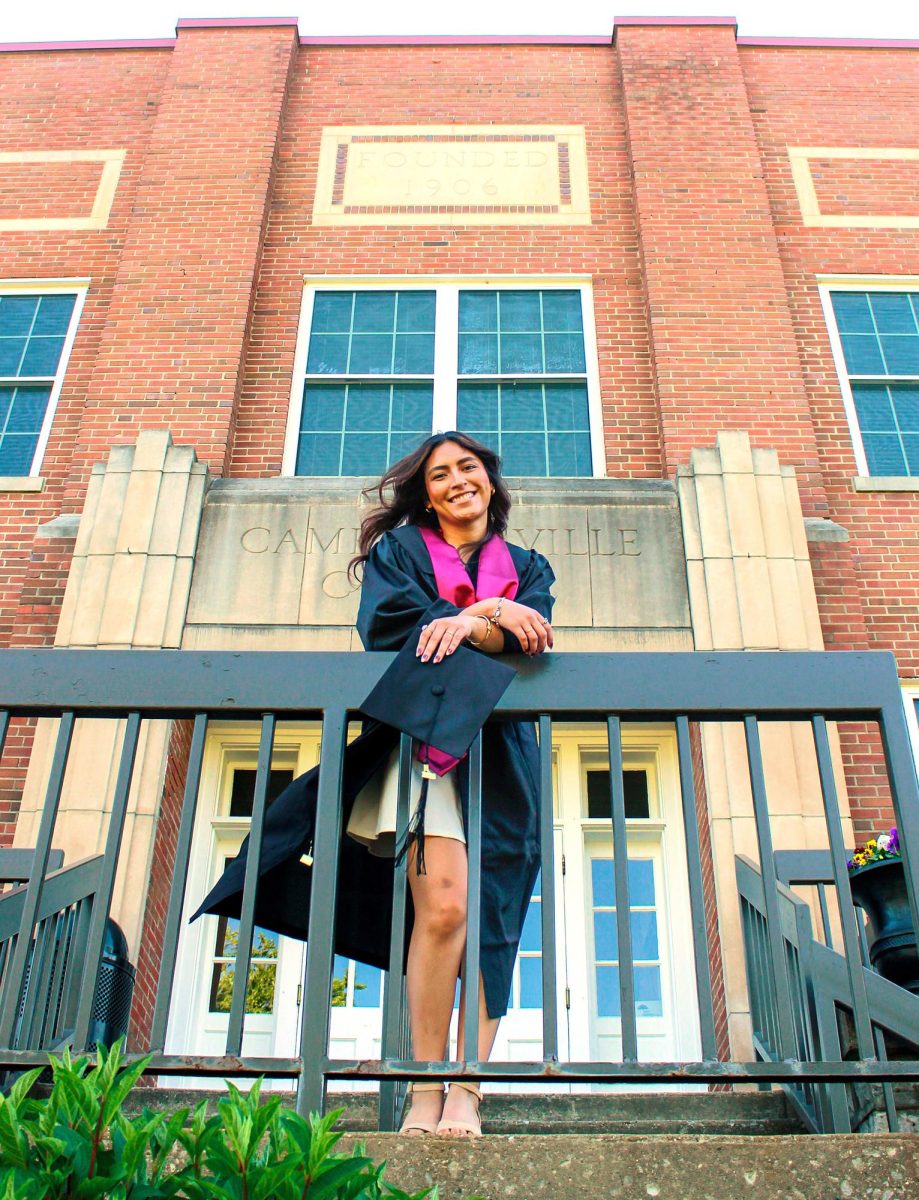
After playing soccer since she was four years old, Macie Chappell will graduate from Campbellsville University, and from playing competitive soccer, this May. Chappell said the level of devotion and sacrifice needed in college sports requires a student to love their sport to keep playing.
“It can be overwhelming, especially when you feel like the athlete part is coming before school,” she said. “Even though it’s ‘student-athlete’ and everyone says ‘student’ should come first, I think most athletes do believe their sports should come first. So, that, I think is kind of difficult to balance…a sport takes so much out of you.”
College sports have difficult challenges for students, but they also provide those students with a circle of support – their team, which is a big aspect of an athlete’s experience. Chappell said her teammates are her best friends. Being around people who are like-minded in college has been something she’s enjoyed about being an athlete. The relationships soccer has given Chappell while playing at CU are what she expects to miss most after graduating.
“Now that I’m graduating, I’m sad,” she said. “Knowing that a sport has been a part of your life for so long and I’m never going to play it again competitively, that is very sad. But honestly, I think I’m sad about the team aspect of it.”
Although being a student-athlete requires a lot, it also gives a lot. Chappell said playing college soccer has taught her confidence and given her the ability to use her voice more. Although being a student-athlete is difficult, for Chappell it has been worth it.
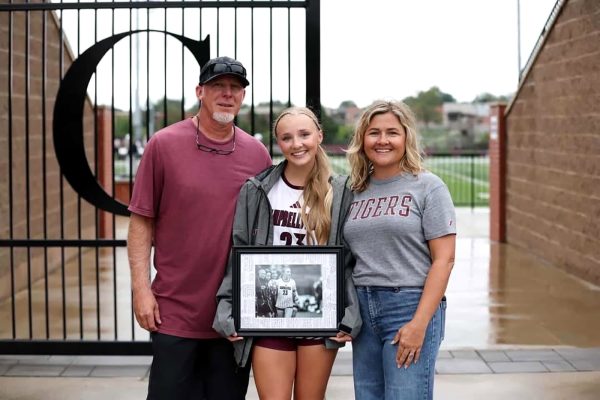
“I think the high stress environment helped me become better, honestly,” she said. “It made me have to work harder…I don’t think I would ever give up playing my sport,” she said.
Another student-athlete, Taiki Hirosaka, from Tokyo, Japan is a pitcher on CU’s varsity baseball team. Before coming to the U.S., Hirosaka enjoyed watching American sports. He said being able to play baseball in the U.S. is a “very special” experience for him; however, he feels burned out from the pressure.
“I started playing baseball when I was six,” he said. “My father let me play. At the time, I just enjoyed playing baseball, but as I get older, I have to be more skillful. As the pitcher, I have to throw harder…learn curve balls, sliders, changeups…different techniques. So, I have to practice a lot and I’m practicing almost every day. So, for now, it’s burnout.”
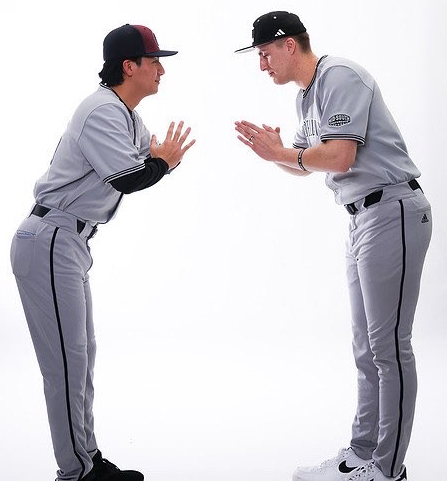
Hirosaka had a goal to come to the States to study. His sport gave him that passage, but it also gave him community. What he enjoys most about being a student athlete is being able to play the game with his teammates. Although he looks forward to graduation, completing his career in baseball and beginning his next step, he said he’ll miss his teammates, as they were a big part of his experience here.
“I think college baseball is wonderful,” he said. “Not only baseball, but college sports in the States are so good…I [just] don’t want to play baseball anymore…I still love baseball and watching baseball, but playing, I’m done.”
The next step for some student-athletes will be to graduate and begin a new career. But others might have an opportunity to continue their sport. CU volleyball player Madison Farmer didn’t believe she could make it in college volleyball; however, after finishing her fourth year playing, she has options already to either continue playing competitively or become a coach.
Before playing in college, Farmer said she lacked confidence in her abilities as an athlete, and it was her mother who encouraged her along the way to keep working hard and believe in herself.
“She was that person in my ear the whole time that was telling me, ‘Come on! You can do it!’” Farmer said. “She’s always that person, no matter what it is, she’s always there. She’s always that one person I feel like everybody needs no matter who it is. And I got the luxury of my mom being that person.”
Sports in college differ from previous years. The stakes are higher. Athletes are pushed to work harder, and they require respect for the game and the players. Before attending CU and trying out for the team, Farmer didn’t realize how many people in the world were working towards the same goal as her.
“Everybody has this dream of making it into college, making it D1,” she said, “You’re competing against so many people…it gives me respect for everybody that plays the sport because it’s not that easy.”
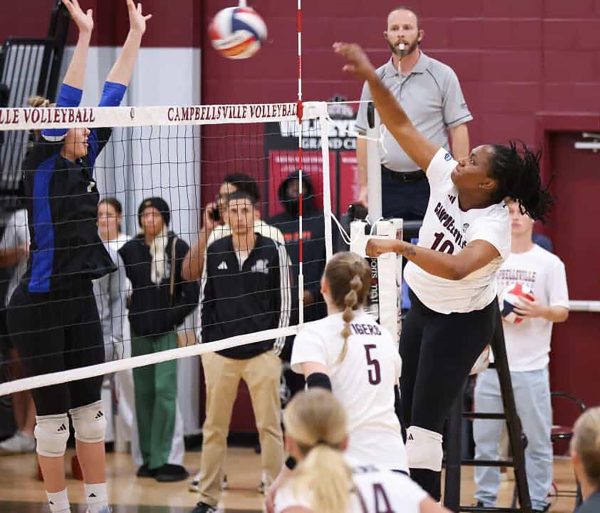
Farmer admitted the college load is heavy for student-athletes and it takes a special kind of person to keep playing in college.
“I wouldn’t say that I necessarily dislike it,” she said. “It just takes, I think, different people to be able to balance those things. A lot of people can’t do it, which is why a lot of people aren’t college athletes.”
Her time as a student-athlete is ending, but this is not the end of her volleyball career. Farmer plans to continue in volleyball, whether as a player or a coach. She is still deciding between several options overseas, as well as possibly returning to her high school in Indiana as the women’s coach.
“I’m kind of excited, honestly, just because of all the opportunities I’ve gotten that I didn’t think were going to happen,” she said. “The idea of going back to my high school and changing the program around… I love the idea of getting younger people there just because…I didn’t think I was going to do that. Now, I know it’s possible.”
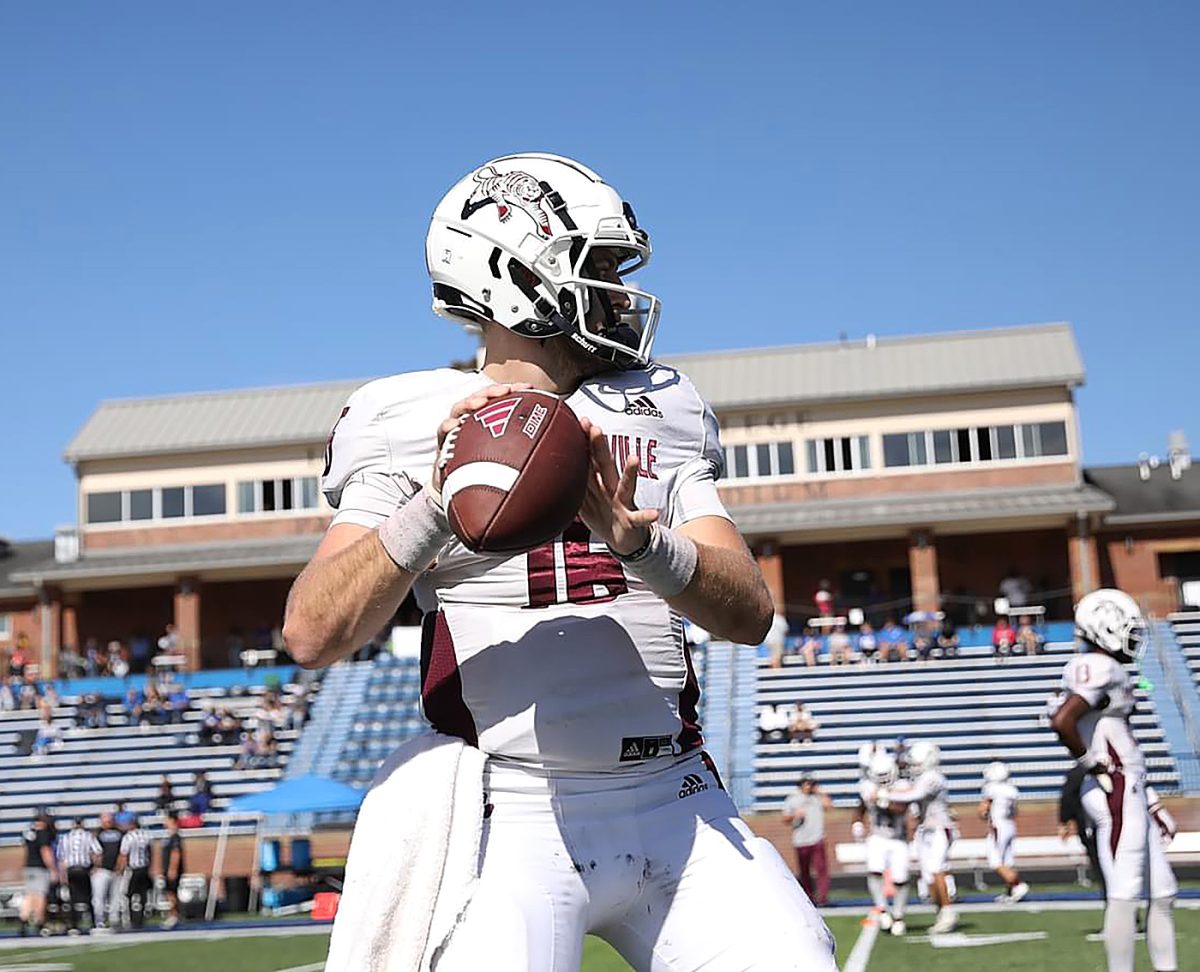
Roland Hazard, CU’s wide receiver, began playing football when he was seven years old. In middle school, he changed course and played basketball. However, basketball wasn’t the sport he chose to pursue. For Hazard, football is his game and where he can make the most impact.
One of Hazard’s highlights in football was when he caught a “bean top,” an intense catch made by jumping over someone’s head, against Lindsey Wilson.
“You’re practically dunking over somebody’s head, but catching the ball and the crowd is going crazy,” he said.
Hazard’s other special moment in football was attending the NSC (National Scouting Combine) where he played with other athletes from smaller schools.
“I love meeting with others and encouraging others, and I also like to be in the environment,” he said. “The environment of people that are like-minded, like myself, and just like to do the same things that I do. I find myself getting better if I put myself in that environment.”

Not only have Hazard’s personal achievements made his college experience great, but the comradery he’s received at CU has encouraged him as an athlete.
“Having people around your age, from all walks of life, and then being able to match and just discover different ways of life through your friends…if you have great people around you and you’re just open to meet new people and just be kind and see what’s out there, I feel like college, being a student athlete in general, is a dope way to live for four years,” he said.
Apart from playing football, Hazard enjoys art and photography. Combining his two passions, Hazard creates athletic content on social media platforms, focusing on workouts and his football plays. He said he has a natural talent for making videos, and he wants to use the time and opportunities he has now to create another option for himself, apart from being a football player.
“Because I’m not just a football player. I’m Roland Hazard. I’m a person first,” he said. “So, how could I develop myself in multiple assets, but at the same time, have fun and do what I love?”
Although the next steps after graduating can be intimidating and uncertain, Hazard is ready to move on. He said he has the desire to “level up and seek a new challenge.” There’s loss in leaving the team CU gave him, but he’s ready and excited for his next step.
“I’m going to miss the crowd,” he said. “I love to perform for the crowd. If I hear people be excited for the plays that I make, I don’t know…in a weird way it’s like a drug. Man, you want to keep doing it… but, I have a feeling I have more to prove, so I’m excited for what’s next.”