








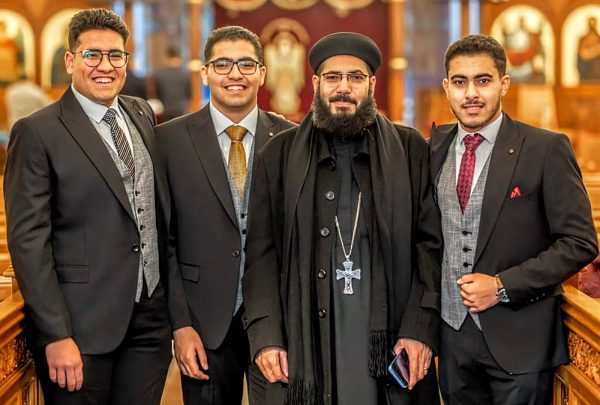
Philemon Ibrahim was born and raised in Egypt in a united household that revolved around Christianity. The son of an Orthodox priest and a schoolteacher, he said his life was centered in religion, education and family.
“My life there was shaped by my family, my Christian faith, and the culture around me,” Ibrahim said. “Egypt is my home country, and it is where I learned my language, my values, and my identity before coming to the United States.”
But while Ibrahim gives credit to his faith and family as foundation of who he is, he also said there was a point where he felt imprisoned because of his religion. While Christianity is a big part of his identity, he said there were many factors that prevented him from fully expressing his faith.
“There were times when openly talking about my faith felt sensitive,” he said. “It was something I had to be careful about.”
For Ibrahim, being Christian in Egypt meant following the beliefs of the Coptic Orthodox Church, which includes faith into all aspects of life. While he credits his religion with helping provide a support system, he said religion was also the source of oppression he experienced.
“Persecution was very real and personal,” Ibrahim said. “It was not just pressure—it included physical harm, threats, and repeated confrontations because of my identity and my relationships.”
He added that while he loves his home country, there were times where he felt unsafe because of his religion, which factored into his decision to move to the U.S.
Ibrahim’s story is one shared by millions of Christians around the world. The 2025 World Watch List by Open Doors found that more than 340 million Christians endure high or extreme levels of persecution due to their faith.
While Christianity is the largest religion globally, with approximately 2.3 billion followers, one in every seven Christians experience persecution somewhere around the world, according to Open Doors. In Africa, it’s one in five Christians. In Asia, that number jumps to two in five Christians.
Open Doors is an international Christian organization that works to help persecuted believers in more than 60 countries. Each year, researchers compile data to create the World Watch List, which highlights concerns regarding religious freedom.
Ibrahim’s parents, Abanoub Hanna and Abeer Kamal, ultimately supported his decision to move to the U.S.
“Our decision was influenced by our deep concern for his safety, his future and his ability to live his faith freely,” Kamal said. “As a family, we are very religious and close-knit. We wanted him to have every opportunity and ability to live his faith freely.”
Faith and education played a large role in Ibrahim’s education. With a father who was an Orthodox priest and mother who was a schoolteacher, Ibrahim said he knew religion would always be important, but wanted the opportunity to grow.
“There were times in Egypt where I felt like my religion was holding me back from opportunity,” Ibrahim said. “My parents saw that. They knew if I stayed in Egypt, it would kind of limit my ability to do certain things and help support my family one day.”
Departing home wasn’t easy for the family.
“It was hard to see him leave,” Kamal said. “We were proud, yet heartbroken at the same time.”
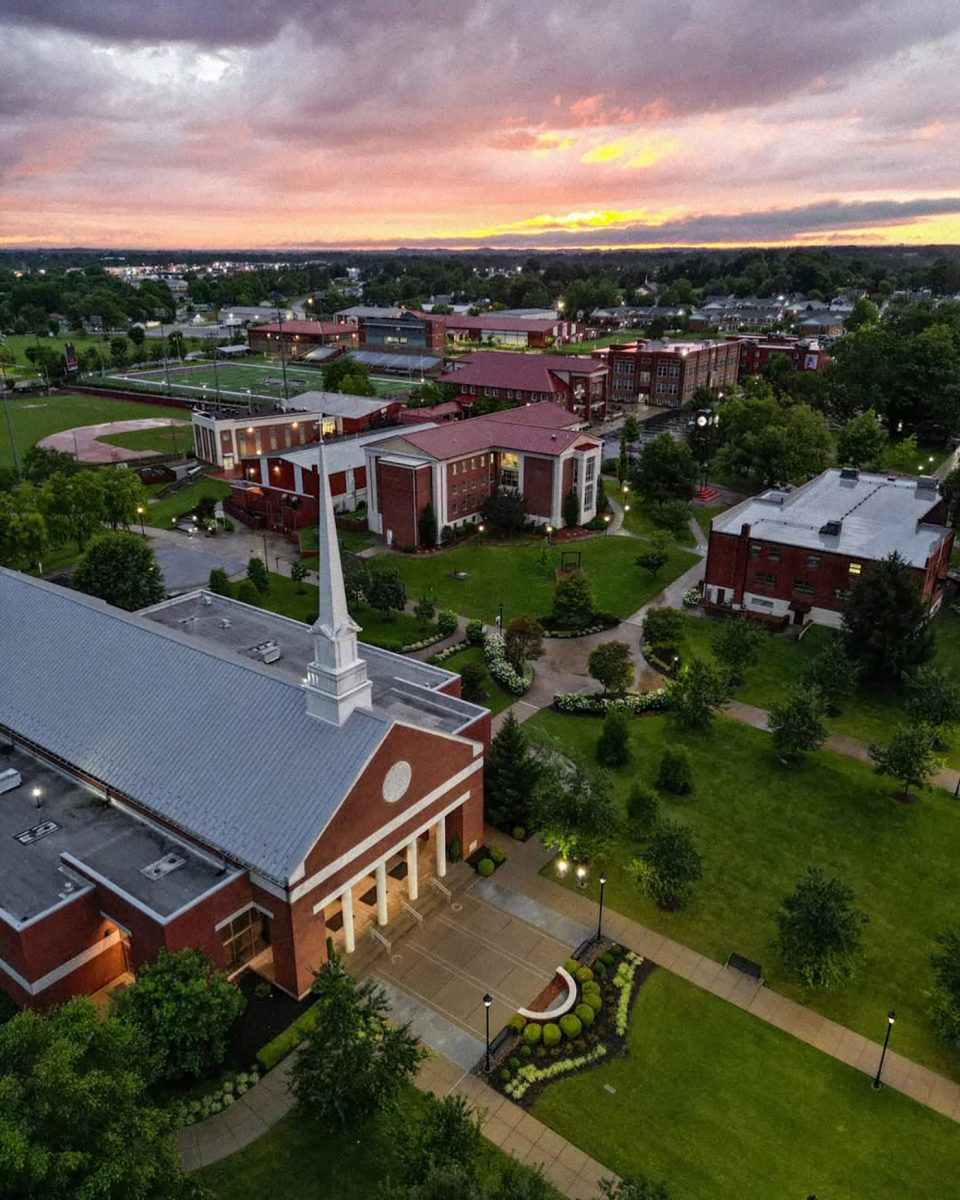
Ibrahim said he was originally drawn to Campbellsville University because of its Christian values and resources for students. While here, he said he noticed a drastic change in his ability to practice Christianity.
“My first impression of Campbellsville was that it felt quieter, safer and more peaceful,” he said. “It seemed like a place where I could focus on school and building a future.”
Unlike in Egypt, Ibrahim said he has never felt restricted in how he practices his religion at CU.
“It felt relieving,” Ibrahim said. “Being able to practice my faith more openly made me appreciate something many people do not have to think about: the freedom to believe without fear.”
His parents said life in America has changed Ibrahim as well. Now confident and independent, his parents hope to see him continue to grow in his faith while pursuing his goals.
“He has become more open and comfortable,” Hanna said.
The transition from living in Egypt to Kentucky has changed how Ibrahim views religious freedom. While believing in Jesus Christ is at the center of who he is, he said his experience is what shaped his definition of freedom.
“To me now, freedom of religion means being able to believe, worship and speak about my faith openly and without fear,” he said. “It means dignity, safety and the right to live honestly.”
His parents offered a similar emotion, adding that being able to practice Christianity without fear of persecution is what freedom of religion means to them.
“For us, it means safety and opportunity for our son,” Kamal said.
Ibrahim is currently studying pre-medicine at CU. He hopes to one day continue school to become a doctor and care for others while providing for his family.
“My faith has helped me endure hard times and keep moving forward,” Ibrahim said. “My journey has been one of faith, survival and hope as I worked to leave fear behind and build a future with freedom and purpose.”