












UPDATE FROM THE ASSOCIATED PRESS: The Senate passed legislation Monday, Nov. 10, to reopen the government, bringing the longest shutdown in history closer to an end as a small group of Democrats ratified a deal with Republicans despite searing criticism from within their party. The 41-day shutdown could last a few more days as members of the House, which has been on recess since mid-September, return to Washington to vote on the legislation. President Donald Trump has signaled support for the bill, saying Monday that “we’re going to be opening up our country very quickly.” The final Senate vote, 60-40, broke a grueling stalemate that lasted more than six weeks as Democrats demanded that Republicans negotiate with them to extend health care tax credits that expire Jan. 1. The Republicans never did, and five moderate Democrats eventually switched their votes as federal food aid was delayed, airport delays worsened and hundreds of thousands of federal workers continued to go unpaid.
On Oct. 1, the government shut down, beginning what has become the longest shut down in American history, according to NY Daily News.
The divide continues between the Democratic and Republican Parties and their visions for the United States. A bill for government funding is in the process of being signed, however, each side is proving headstrong in their desired outcomes and methods.
For a bill to be passed there must be a winning vote of 60. After the 13th failed attempt from senators to vote in legislation, Congress still has come to no agreement for their policies and the Republican Party holds a 53-47 majority vote for their bill, reported NY Daily News.
According to GovFacts, the major differences in their policies are their health care coverage plans and who has power over the funds after the bill is passed. The Republican bill includes more requirements for Medicaid support and gives more money towards national defense and border patrol. In the Democratic Party’s bill, they want to extend the Affordable Care Act (ACC) subsidies, reverse the additions the Republican Party made to the Medicaid requirements and limit the president’s authority over government funds.
The effects of the shutdown on citizens are growing throughout the nation as people are going without paychecks, according to NY Daily News.
“U.S. government services are temporarily suspended,” reported BBC News, “and around 1.4 million federal employees are on unpaid leave or working without pay.”
As these political parties fight their battle in front of the cameras and on their stages, U.S. citizens are the ones dealing with the effects of their nation’s government shutting down.
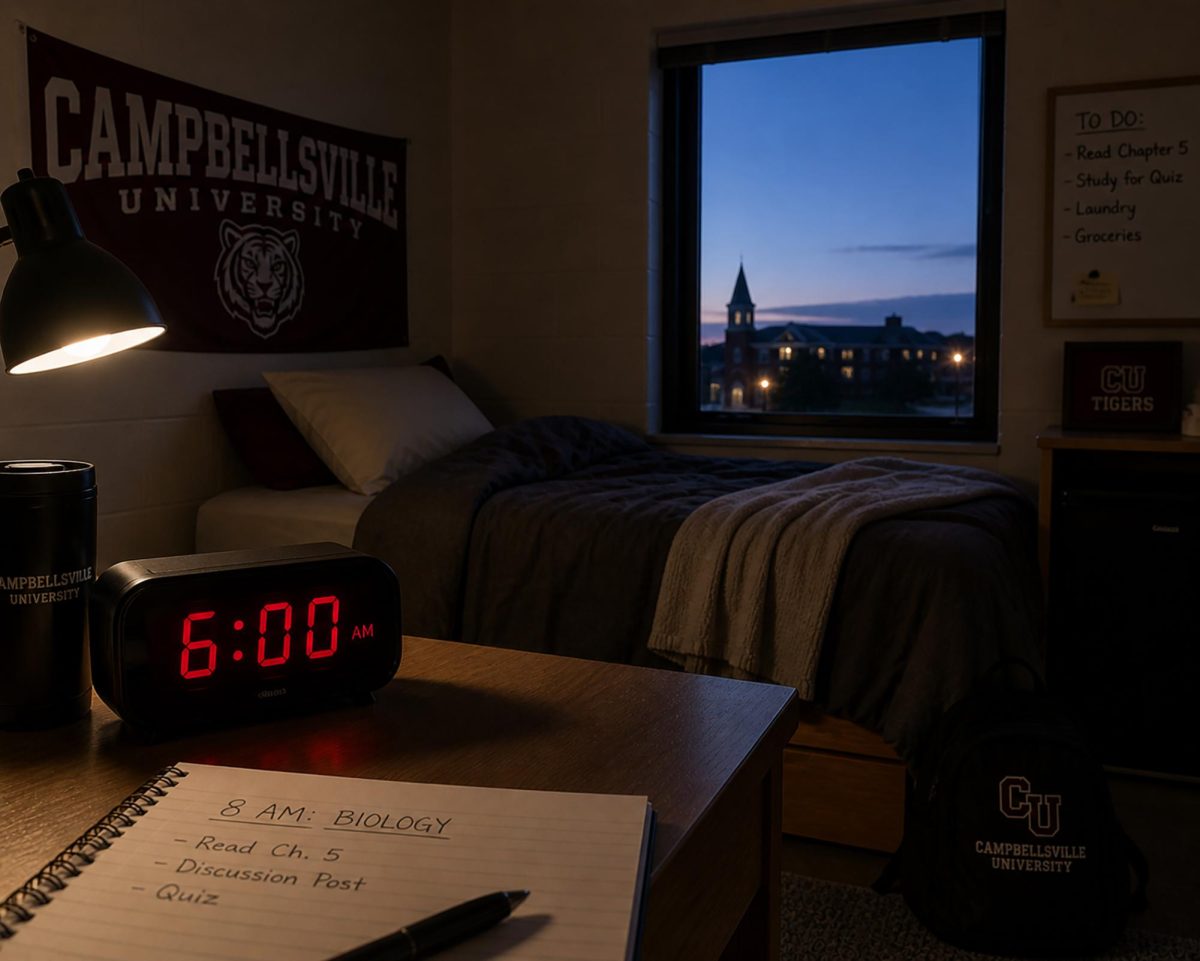
Shayla Shirk has worked in Campbellsville University’s (CU) registrar’s office as the VA Certifications Officer since June 2024. Her title from the VA is the School Certifications Officer, otherwise known as an SEO. Her role is to certify VA students and help them connect and be supported by the VA.
Shirk explained that there are five chapters in the VA benefits which a student can be identified with. Each chapter helps a different group of people depending on whether they are veterans, active-duty or the family of a veteran or active-duty member. Although each chapter supports different types of students and provides different levels of pay, each chapter has been affected by the shutdown.
According to Shirk, Chapter 35 students, who are a dependent of a veteran, have not received their stipends since August. Recently, in the last two weeks, VA payments have been received for tuition towards the other chapters, however that was after a few months without payments. Out of the 83 VA students at CU, only one student under Chapter 33, the post 9/11 GI Bill, has not been impacted by the government shutdown.
Since the shutdown, Shirk has been visited by students daily.
“I talk to at least four a day since the shutdown,” she said, “which is a dramatic increase from when it was open.”
Students continue to reach out to Shirk for information and support, but she’s unable to receive any information from the VA. As the SEO, she has a separate helpline to the VA than the students, however it is currently not operational, and she has close to no contact with the VA. Her only way of contact with them is by a ticket system.
“I submitted a ticket on Oct. 2,” she said, “and they got back to me on Oct. 23.”
She sent another ticket to them on Oct. 30 and has not received a response yet.
Although Shirk is not receiving much help from the VA, she still works to support CU students.
According to Shirk, the students typically rely on their funding to pay their tuition and with the lack of funding, not only is it difficult to pay tuition, but their account is put on hold, and they are unable to register for upcoming classes.
“It makes me a little frustrated since there’s nothing I can really do,” she said. “But it’s also rewarding being the point of contact for these students. Working to be the help.”
To help support students, Shirk is working closely with student accounts by providing a list of the VA students so that no student’s account is put on hold, allowing them to register for the upcoming semester.
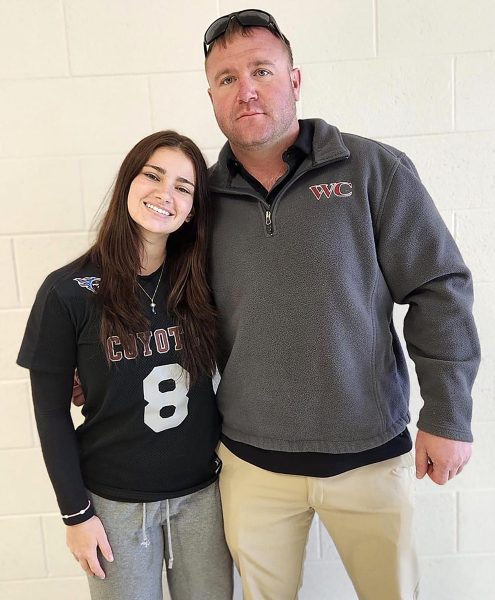
Kinleigh Lewis is a freshman playing for CU’s flag football team, and her education is funded by the government as a Veterans Affairs (V.A.) student because of her father’s service in the military. According to Lewis, her remaining tuition costs after any scholarships she receives are covered by the G.I. Bill. She also receives a housing stipend under Chapter 33. Lewis said after the government shut down, her first payment was delayed for a couple days, but she still received her funds and is expecting her next payment.
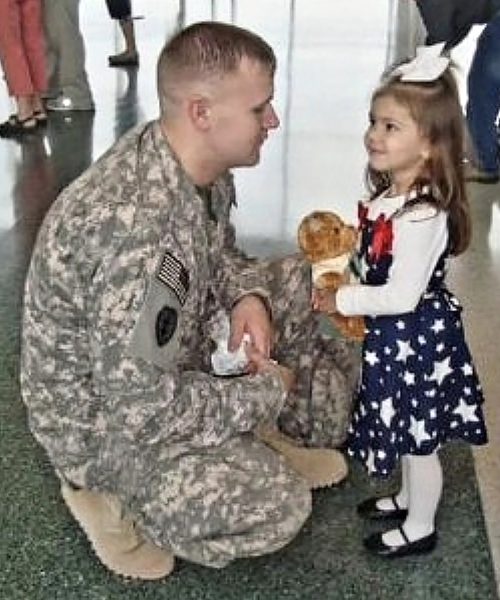
Lewis’ father is currently active duty and therefore she is registered under Chapter 33 for funding of an active-duty family member. However, in December her father will retire, and she will be registered under Chapter 35, covering a veteran family member. Chapter 33 has not been affected by the government shutdown and so Lewis has not lost money this semester. However, Chapter 35 has been affected, and payments are on hold.
“College is new and stressful already,” said Lewis while thinking about her upcoming semesters. “And I’d be more stressed if I had to worry about making payments.”
According to Lewis, immediately after graduating high school, her father joined the military. During her father’s service, Lewis said her family was stationed in Hawaii, Kansas, Alabama and Tennessee. He was deployed to Kuwait, Afghanistan, Iraq and to Korea during the COVID pandemic.
“My dad did 20 years,” Lewis said. “He deserves at least something. He wants me to go to college and pursue this.”
Regarding those who served in the military, Lewis said they’ve worked for a “steady paycheck” and are expecting to be paid what they were promised.
“I hope they pay the people who deserve to be paid,” she said.
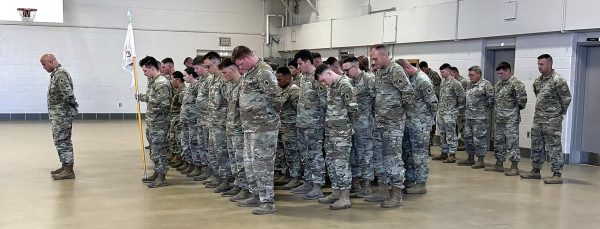
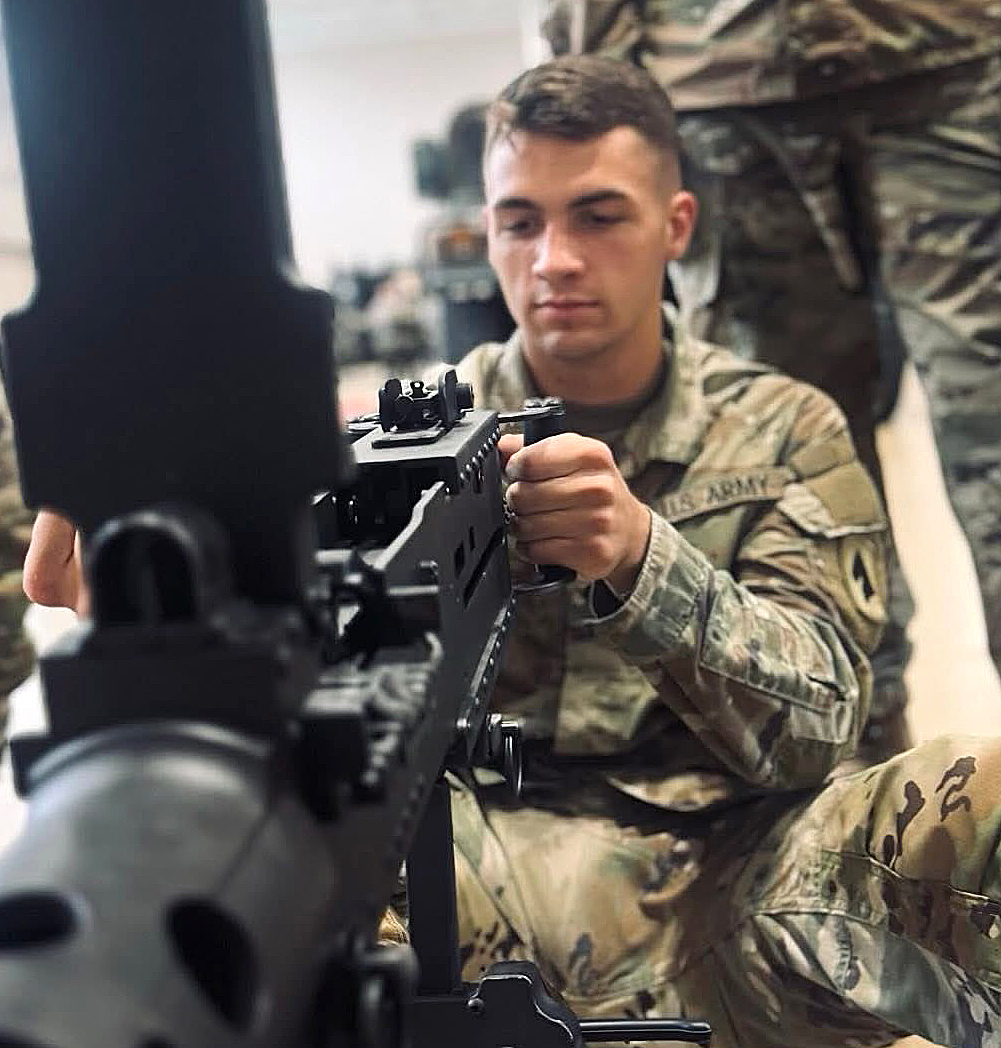
CU senior Jason Sipes is funded by the government for his service in the National Guard.
After high school, Sipes signed a contract to serve in the National Guard for six years to help pay for his college tuition.
“Signing your life away to the government,” he said. “Kind of what I felt like.”
Although the government has much control over those in the military, the soldiers receive many benefits for their service, such as school funding, and the National Guard has been Sipes’ source of funding for education.
According to Sipes, his payments from the National Guard this semester have been delayed by three to four weeks but haven’t been stopped. If the government’s shutdown continues, Sipes worries the tuition for his last semester could be held and his education put on pause.
“It’s frustrating because the people who are causing the government shutdown aren’t being affected as we are,” said Sipes. “So, it’s our problem because of their indecision.”
As the government continues to discuss the bill’s progress, there continues to be delays in student’s payments.
“Because of them, because they can’t come to a decision,” said Sipes, “people are suffering.”