



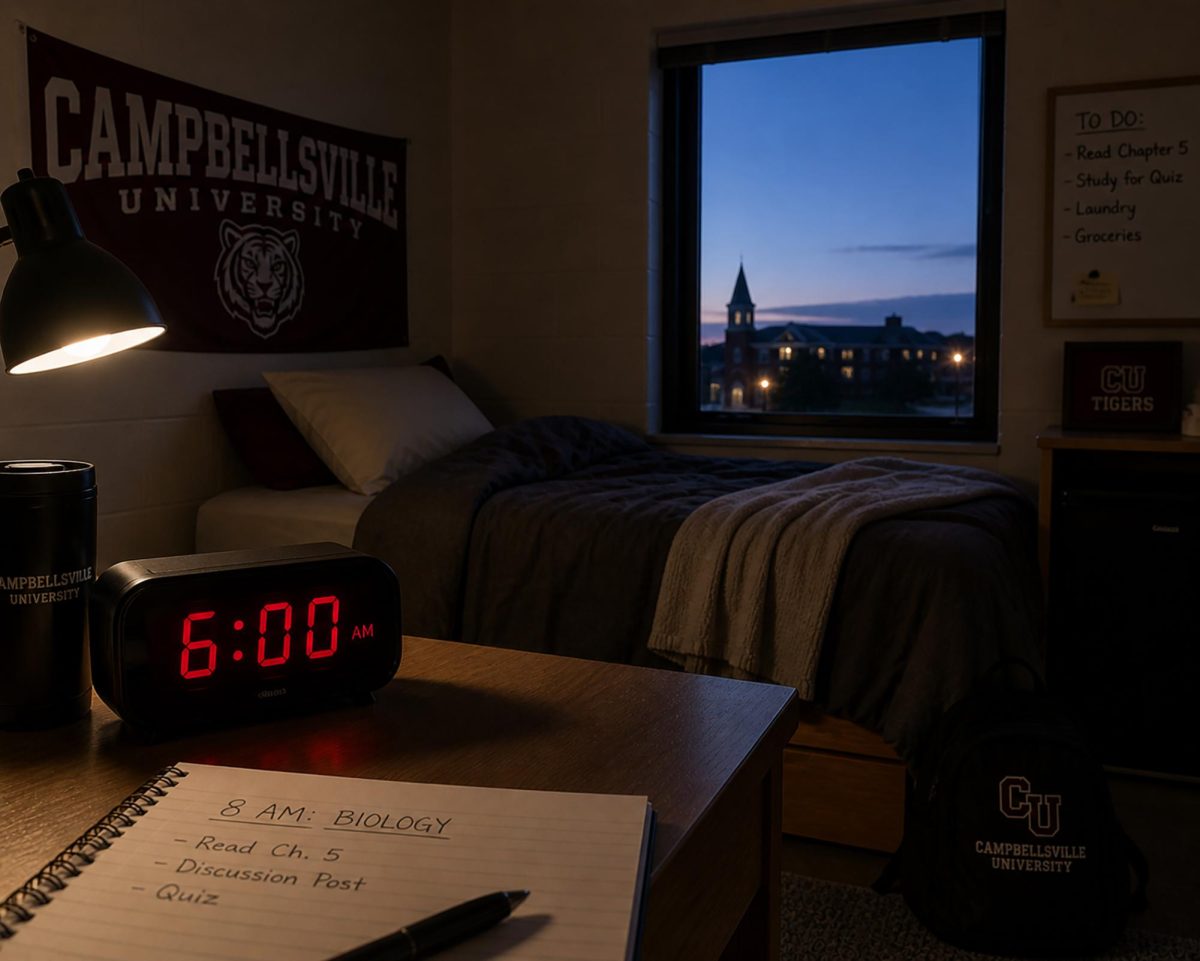










College can be an exciting time, but it is also one of the most stressful periods in a young adult’s life. Many students live away from home for the first time as they adjust to new environments, cultures, academic pressures and social expectations. This transition can affect students’ mental health, making access to support and campus resources more important than ever.
According to data from the Healthy Minds Network annual survey published by Inside Higher Ed in September of 2025, more than one in three college students report experiencing moderate anxiety or depression. The survey found that only 36 percent of students are thriving, defined by high levels of self-esteem, optimism and a sense of purpose. Student use of therapy and counseling has also increased, rising from 30 percent in 2018–19 to 37 percent in the 2024–25 academic year.
Amy Scott, a counselor at Campbellsville University, said anxiety and stress are the most common concerns among students seeking support.
“Usually anxiety, stress, feeling overwhelmed, some depression… Most of that is circumstantial,” Scott said. “But, yeah, probably anxiety would be the biggest issue.”
Scott said demand for counseling services has grown in recent years.
“Honestly, I think as we’ve grown the clinic in the last couple of years, it has increased some,” she said. “We have more now than when I started, but we’ve grown as the need has grown.”
She added that students most often seek help during midterms and finals, when academic pressure is at its highest.
Scott explained that many students seek counseling not only for long-term mental health conditions but also for everyday stressors that interfere with daily functioning. Academic responsibilities, family situations and personal challenges can become overwhelming, especially when students are unable to visit their families or attend classes consistently.
By providing free and confidential counseling, the university offers early support before stress and anxiety escalate into more serious problems. Confidentiality remains a priority for the counseling center.
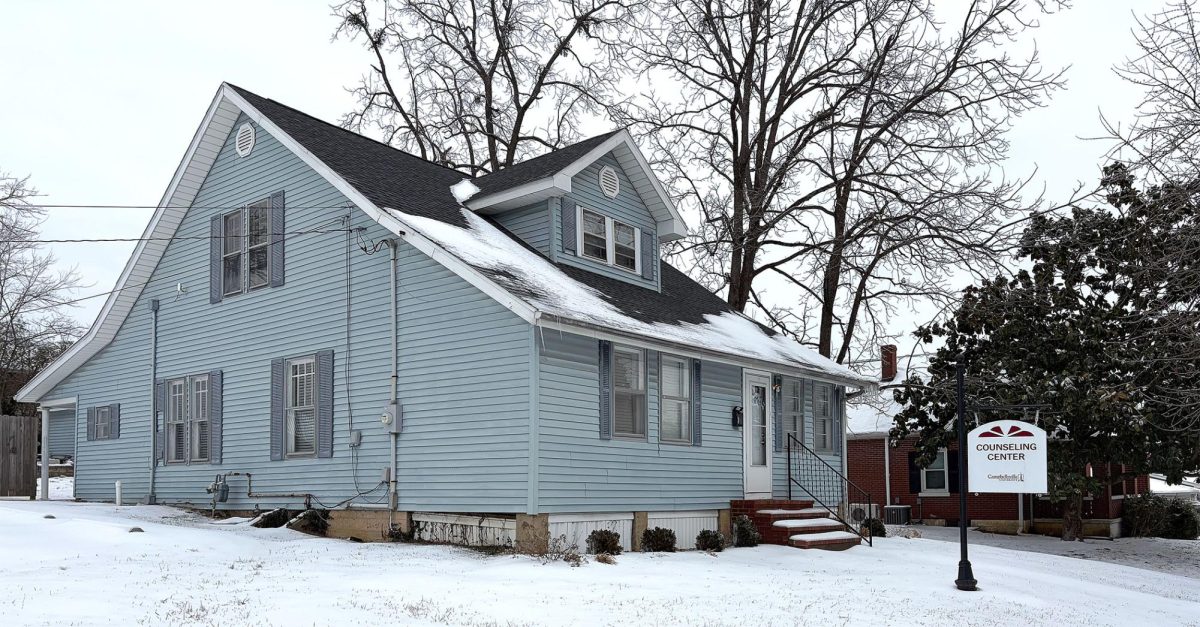
“One of the reasons we are kind of off campus is for confidentiality reasons,” Scott said. “If there are students who don’t want their friends seeing them walk into the counseling office, we’re a little bit off the beaten path so that there can be some confidentiality there.”
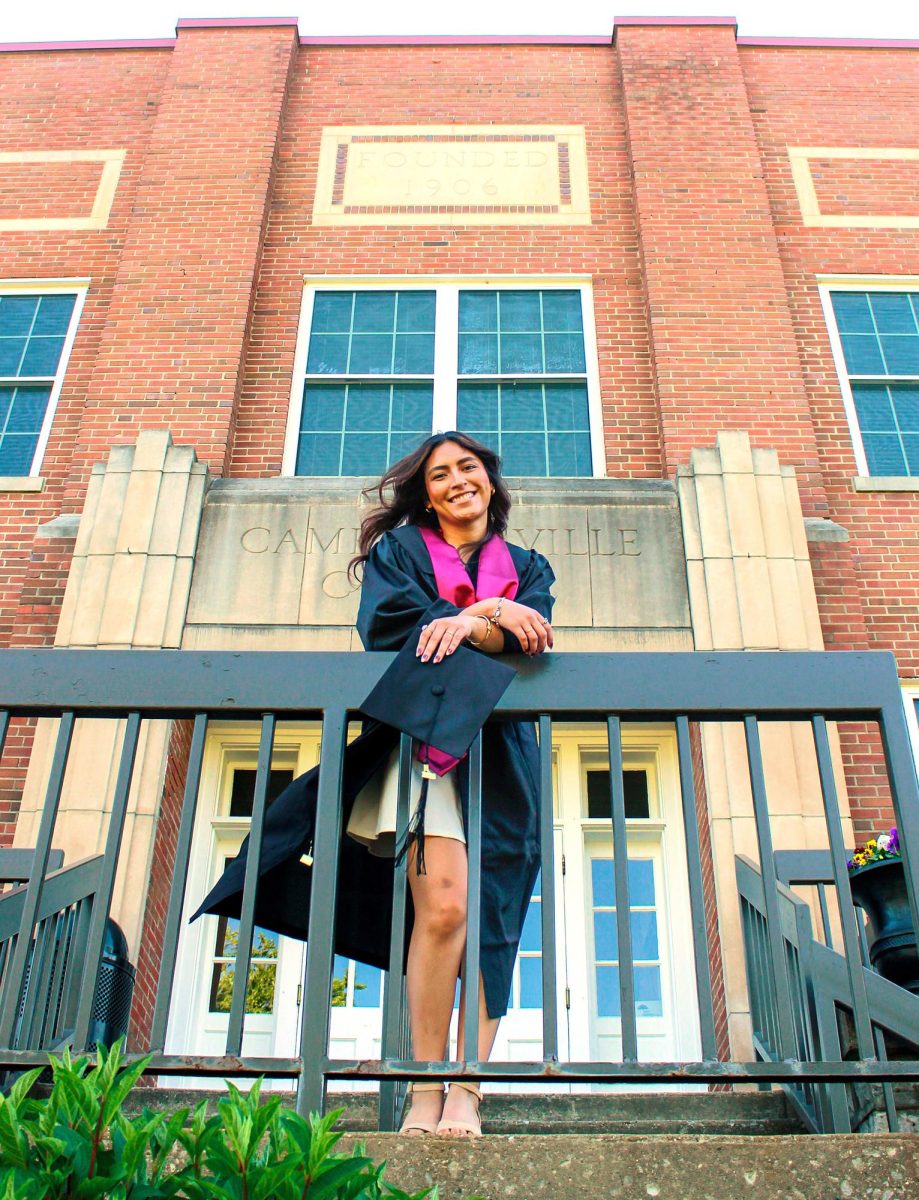
Shalem Canales, a Campbellsville University student, sought counseling services after being involved in a serious car accident that affected her mental health and academic performance. She said seeking help allowed her to process trauma instead of avoiding it.
“Getting out of my comfort zone helped me grow personally and emotionally,” Canales said. “My therapist was understanding and supportive, and the sessions gave me tools that helped me succeed in different areas of my life, including my academics.”
Canales said counseling helped her improve her grades and overall well-being by giving her a safe space to be honest and vulnerable.
“I learned that I wasn’t stuck and that healing was a process,” she said. “It helped me manage stress, improve my time management and reframe negative thoughts instead of dwelling on them.”
She emphasized that students should not allow stigma to prevent them from seeking help.
“There is no shame in seeking mental health support,” Canales said. “Recognizing the need for help makes you stronger, not weak.”
Scott emphasized that students do not need a clinical diagnosis to use counseling services.
“If whatever’s going on is preventing you from being able to go to class, get your schoolwork done, if you’re not able to function as you normally would, that might be a good time to come in and talk to somebody,” she said.
Students are encouraged to use the resources available to them and to seek support early. Just like physical health, mental health plays a crucial role in students’ academic success and overall health and well-being.
Whether dealing with stress, anxiety or life changes, Campbellsville University’s Counseling Center offers a safe confidential space where students can learn to manage these problems, gain perspective and prioritize their well-being. No matter the situation, there is always help available, and students are being encouraged to take that first step for their mental wellbeing.
Enrolled students can request therapy services by calling the CU-Counseling Center intake line, 270-789-5559, or by logging into https://cu-well.com/, clicking on “clients” in the upper right corner of the page, completing the “Schedule Counseling” form, and submitting the request. Students can also walk into the Student Services building on Main Campus during regular hours to consult with an on-site therapist. When calling or submitting a request online, the administrative assistant from the CU-Counseling Center will contact students to complete the paperwork required to be seen by one of the counselors/therapists. The office is open from 9 a.m. to 9 p.m., Monday through Thursday, and 8 a.m. to 5 p.m. Fridays. Currently, the counseling center is providing services both in-person and via telehealth to Campbellsville students.