








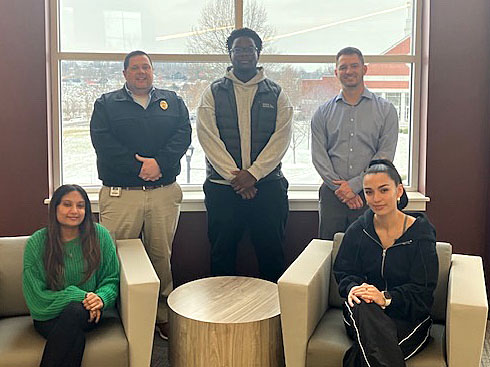
Looking to enhance student experience, Campbellsville University recently announced its brand-new Student Security Council. The Student Security Council is a collection of students working together with Residence Life and Campus Security to improve safety around campus.
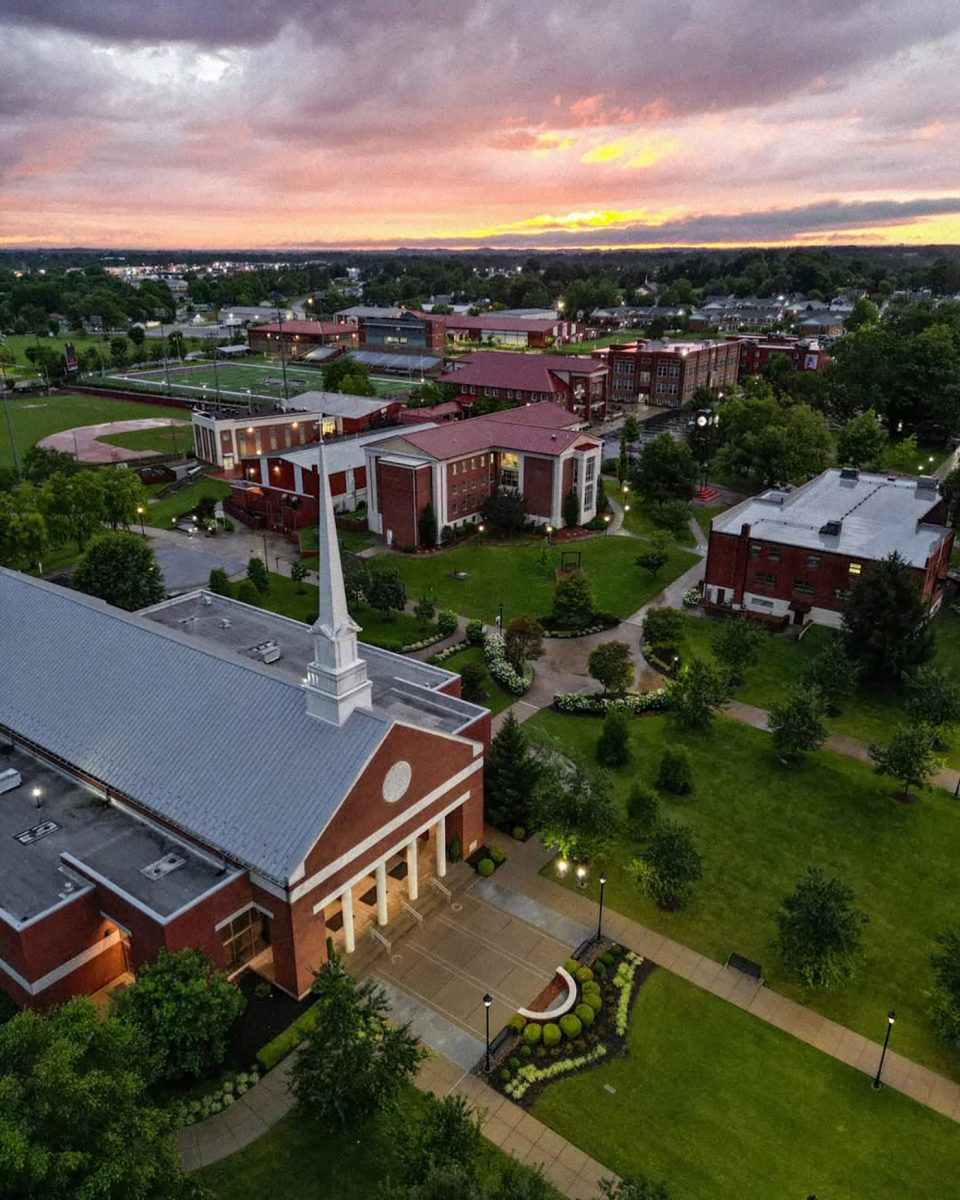
Poor lighting in certain areas on campus and the need for more crosswalks are two of the main issues the security council has raised.
Elijah Coffey, interim dean of students, said the security council provides a way for students to have a voice.
“I think ultimately it’s to be in touch with what students see and feel,” said Coffey. “We can have all of our procedures and completely miss the student perspective and their experience.”
Coffey said that while the procedures implemented by Residence Life and Campus Security help keep campus safe, it’s important to remember what students think.
“Campus may be safe, but does it feel safe? I think that’s something that often, if we’re not careful, we can overlook,” Coffey said. “We can assume that all the boxes are checked, but what’s the perception of that? We want to make sure that the students feel safe while they’re here.”
The creation of the security council was a directive from CU’s administration.

“Administration requested that we get together a committee and get some students involved to be able to give that perspective,” said Coffey. “I think it’s just a great example of administration thinking ahead and thinking about the students.”
According to Coffey, the security council provides an outlet for students to express their concerns.
“They serve as a representative of the student body,” Coffey said, “so they’re going to make recommendations and suggestions. A huge thing with them is being people that other students know that they can go to, to speak on their behalf.”
Coffey said he hopes to see the security council grow more in the coming years.
“One of the things this becomes is something that’s a long-standing tradition,” said Coffey. “As society changes, as our campus changes, as we build new buildings, it changes the whole framework of campus. As we’re thinking about those things, we want to be able to keep the mindset, vision and feelings of the students first and foremost.”
Coffey said the number of people chosen to be in the security council was intentional.
“Our goal is that we would keep it large enough to have the student perspective heard and the voice heard but also small enough to be really intentional and effective and allow students to be comfortable expressing their thoughts,” Coffey said.
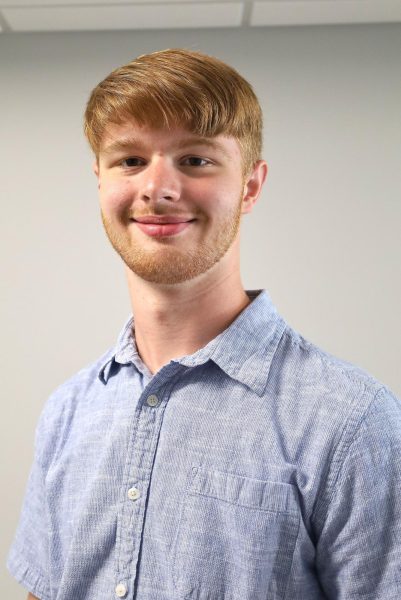
Campbellsville’s Student Government Association (SGA) helped choose the members of the security council. SGA President Gabriel Maurer said diversity was important when putting the council together.
“We made sure we had the same number of men and women,” Maurer said, “so we had a background of all dorm life. We have some commuters and international students as well. This way we’re getting to see it from all sides.”
Campus Security and Residence Life seeing things from a student’s perspective makes campus a safer place, according to Maurer.
“It’s pointing out weaknesses where things aren’t necessarily up to code, or where students feel that if this was done, not only would they feel safer, but the campus would be safer from people who wish to do harm, or students doing things that are wrong, or people who are not students on campus doing wrong things,” Maurer said.
While some concerns, such as the lack of cameras in certain areas around campus, haven’t been addressed by the security council yet, having the council provides an avenue for students to have those concerns addressed.
“I know a good amount of the international students on campus,” said Gabriel Mbey-Ogbonnaya, a senior from Nigeria. “Sometimes it felt like they were just speaking to the point, but now if they tell me and I go to a meeting for the security council, I can relay what people are saying.”
The security council increases connection between concerned students and those who can actually do something about those security issues, according to Mbey-Ogbonnaya.
“Even if you’re not part of the security council, you can meet with me or some other members on the council or anybody in student government in general and air out your concerns or your queries or anything,” said Mbey-Ogbonnaya. “And then it should get to the right people at the end of the day.”
According to Mbey-Ogbonnaya, the biggest issue the security council has raised has to do with the lighting on campus.
“We did a walk around campus to see what parts are dark, and what places have lights and what places have bulbs dead,” Mbey-Ogbonnaya said. “After that, we took note of the places, and some places have gotten more light and some places we’re still getting to.”
Mbey-Ogbonnaya believes the concerns the security council brings up are being dealt with well considering the resources that Campus Security and Residence Life have.
“It’s gonna take some time to implement everything, especially with resources, resource allocation and whatnot,” said Mbey-Ogbonnaya. “But I believe they’re trying their best with what they have. Also, even if we raise a problem today, it can’t be sorted by tomorrow because that’s not how the world works, basically. It’s a step-by-step process.”
Being able to speak out for the students was a part of the reason Diya Moodly, a sophomore from South Africa, chose to be involved.
“If you feel unsafe, you can always tell them,” said Moodly. “It’s actually good to understand how much goes into keeping everybody safe and secure.”
Moodly believes the security council is a great go-between for students and the departments overseeing campus.
“The security council is for students to have a voice to express what we feel secure and what we feel unsafe in,” Moodly said, “and it’s just for us to have an opinion and to tell them what we need and what we don’t need. It’s also for the security people to tell us things so that we can let people know.”
Anyone interested in joining the security council can reach out to SGA at its office in room 206 of the Virginia Ponser Flanagan Technology Center.