


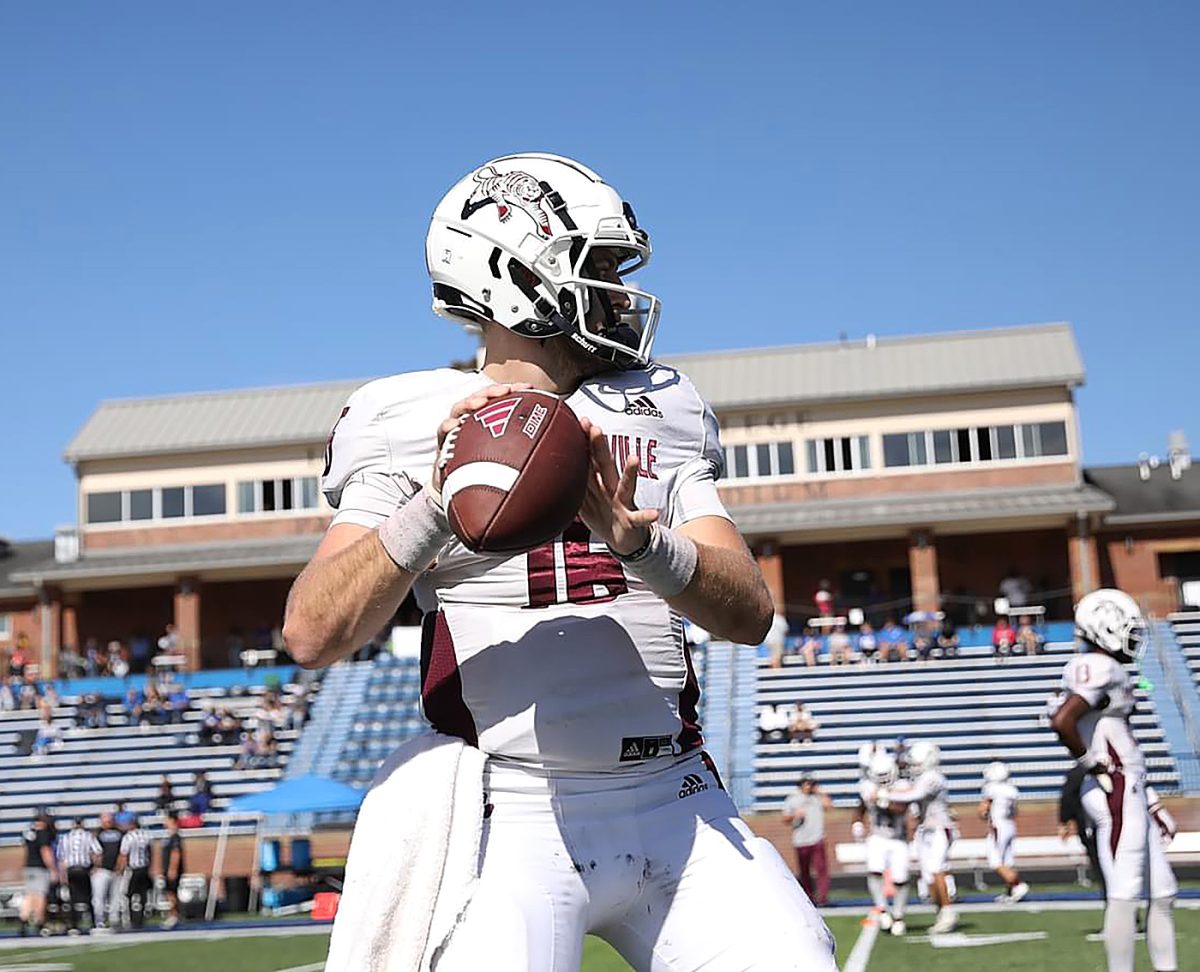
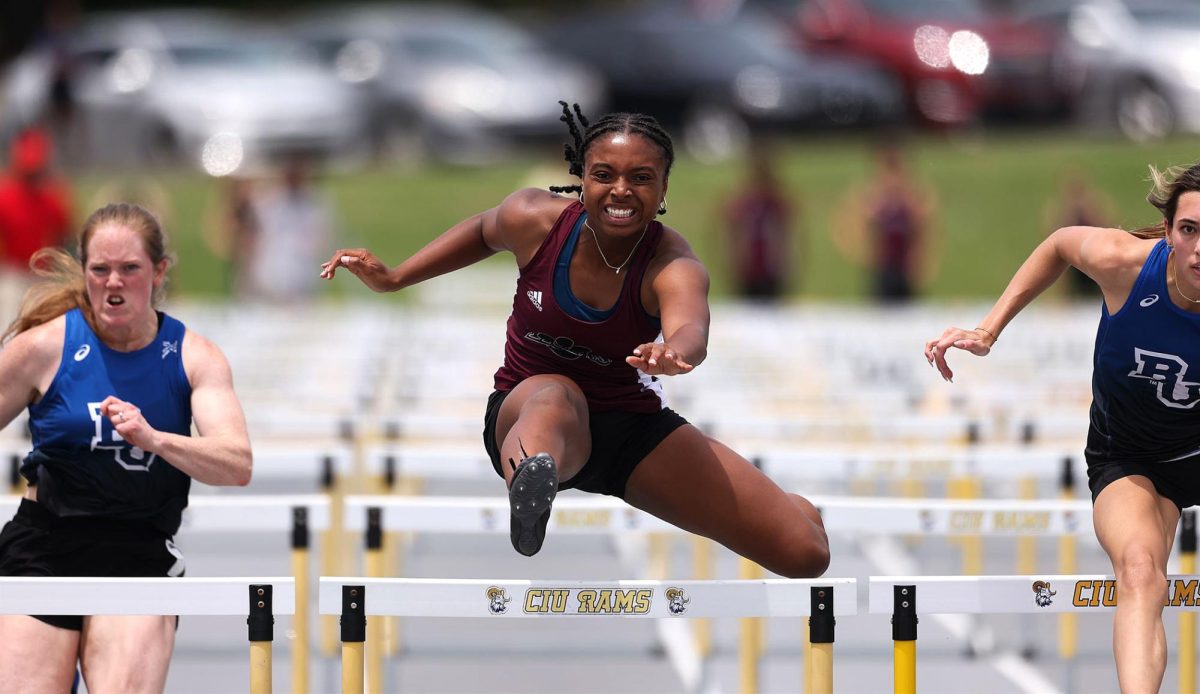

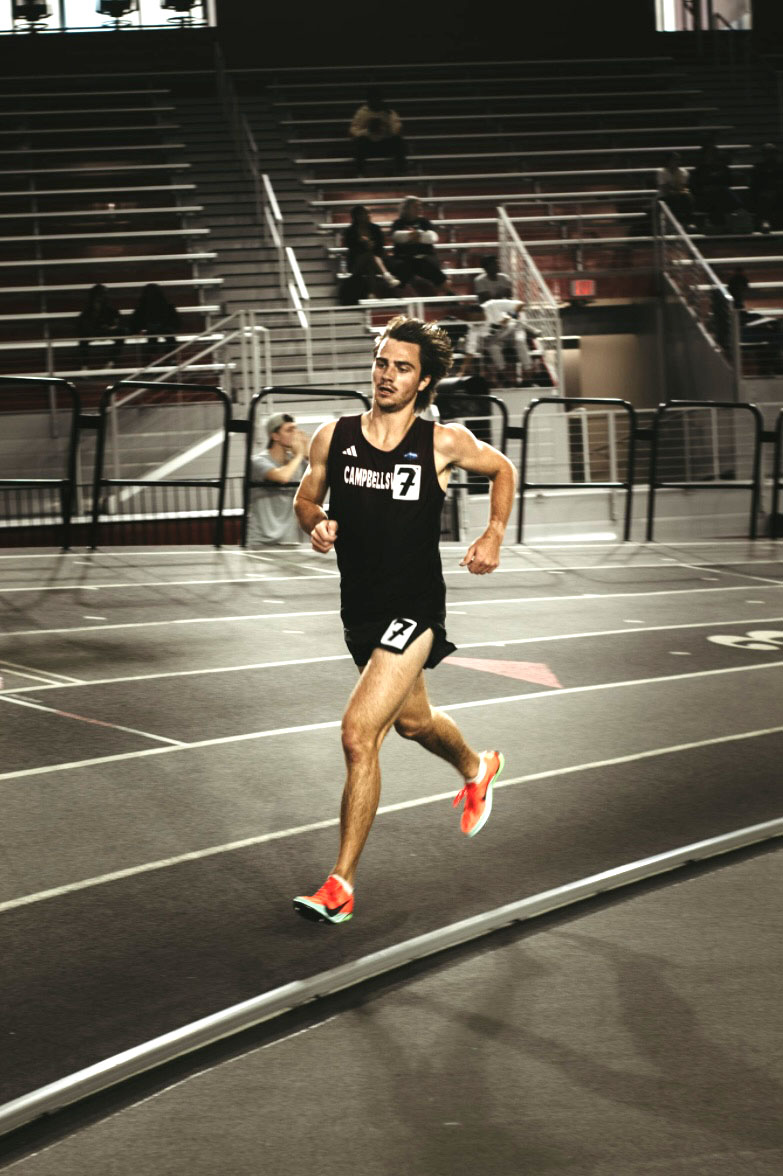



As Campbellsville University’s women’s basketball team warms up, a group of student photographers take their positions around the Powell Athletic Center. Many of them move around the arena during the game, getting shots from in the stands and behind the basket.
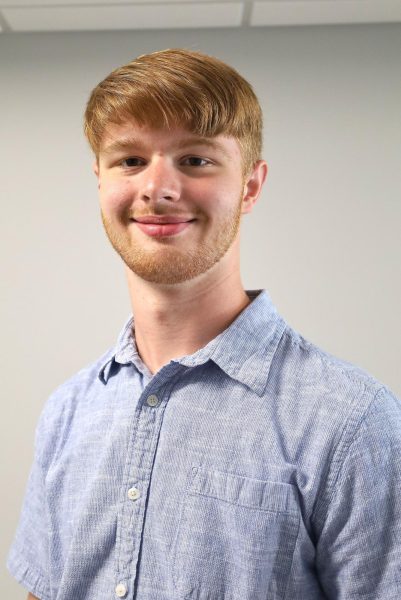
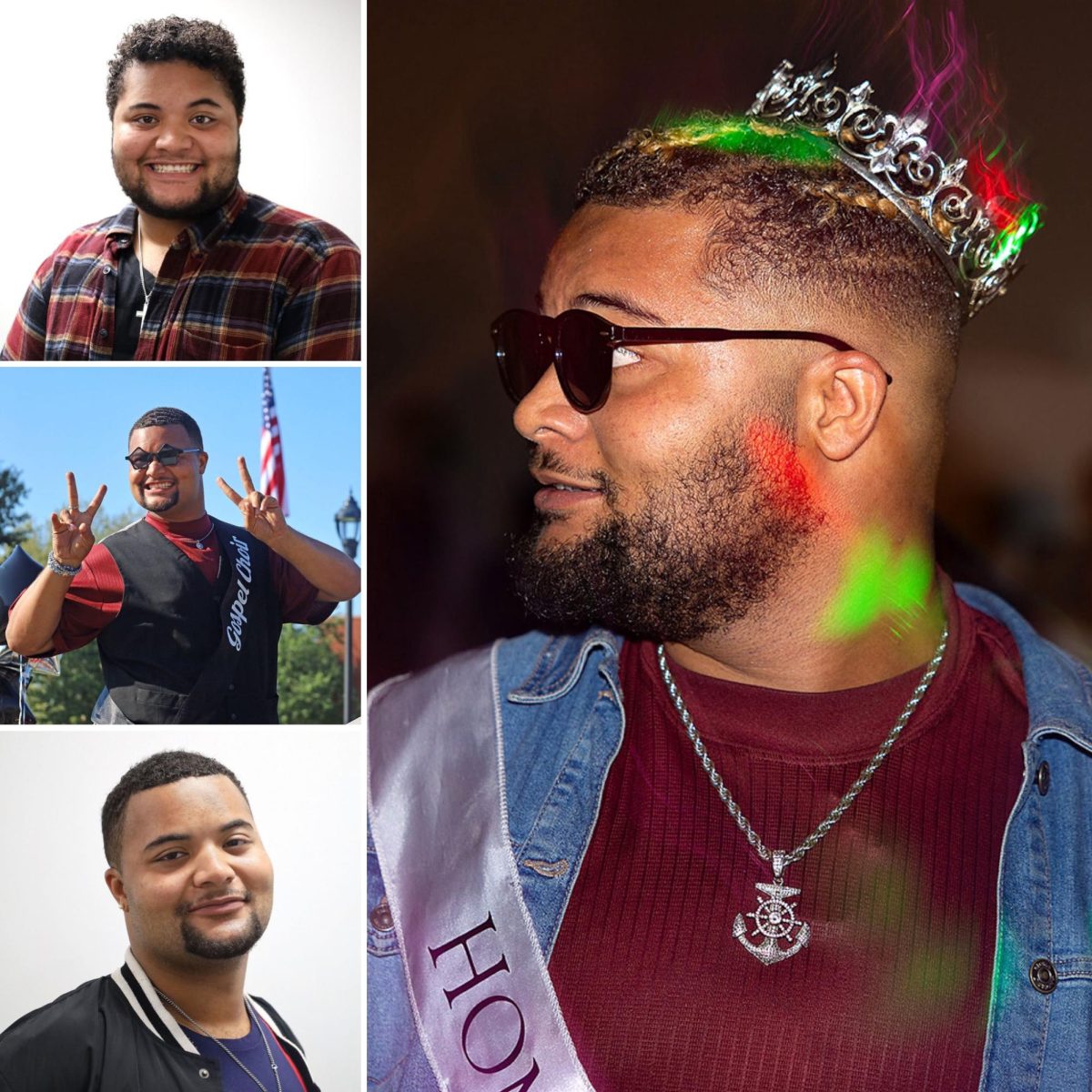
Slaton Carter, a freshman from Cadiz, was working as a freelancer when he was offered an internship with CU’s Sports Information Department.
“I’ve gotten to help out with a game or two here and there,” said Carter. “They’ve been a monumental part, because they’ve helped me with tips and stuff like that.”
Carter first started covering sports at Trigg County High School.

“I helped start a thing called ‘Wildcat News’ at my high school, and through that we bought a bunch of cameras and camcorders,” Carter said. “I kind of got into that.”
Carter enjoys displaying creativity in his shots.
“You see a vision, and you at least try to make it happen,” said Carter. “Having that eye is the thing that I enjoy most about photography, and just being able to see different ideas throughout my head, just running through them and asking clients, ‘Hey, you wanna try this?’ And that’s just the joy I get out of it.”
While Carter makes money working with both CU’s Sports Information Department and as a freelancer, he doesn’t see photography as his long-term career.
“I accepted the call into ministry on June 10, 2025,” Carter said. “I feel like that’s what God wants me to do. Photography, videography and things like that are going to stay in my life, but I don’t think I’ll ever be on the level of a full-time gig unless there was a ministry opportunity with that.”
A primary source of income
According to the Institute for Higher Education Policy, 90% of students who receive a Pell Grant and 56% who do not are unable to cover the cost of college.
One of those students is CU sophomore Payton Wesley.
“I really like to fly my drone, but to be completely honest with you, at this point in my career, it’s really just about what pays the bills,” said Wesley.
Wesley works for Ben Childers Photography LLC, a real estate photography company out of Corbin, Kentucky.
“In terms of real estate, I like a photo that shows the whole room,” Wesley said. “I like a photo that really showcases the space that it’s in and makes it look like somewhere you’d want to live.”
Wesley became a photographer in 2020 after buying a drone from a teacher.
“I knew it could be a career early on when an artist who painted a mural on a basketball court contacted me,” said Wesley. “And she was like, ‘Hey, I know you bought a drone and enjoy flying drones. Do you think that you could take pictures of this mural? I’ll pay you.’”
Wesley travels around the state, typically within a two-hour radius of his home in Somerset.

Wesley hopes his gig as a real estate photographer can be his long-term career.
“I enjoy the travel, and I enjoy seeing really cool places,” Wesley said. “I’ve shot pictures of commercial businesses, I’ve shot pictures of tiny homes and I’ve shot pictures of 15,000 square foot mansions. I have seen them all. And the beauty of being able to see all these different styles of homes…seeing the scenery from an aerial perspective through the drone is a lot of fun.”
For Wesley, success means being able to support a family.
“Success down the road means that I can put food on the table for my family,” said Wesley.
The chance to make some cash on the side
For Sheneil Sinclair, a sophomore from Belize, her tuition was fully covered, but she wanted to earn some extra money on the side.
Sinclair said when she applied to CU, she also explored job opportunities. A faculty member familiar with her background in graphic design recommended her to the marketing and communications department. Once there, Sinclair was asked whether she preferred graphic design or photography, and she chose photography as a chance to further develop those skills.
Sinclair said while she prefers taking street photography and candid photos, being good at photography can be relative to what someone likes.
“It’s hard to put it on a scale because a lot of people like different styles of photography,” said Sinclair. “It’s so broad. It’s an art form in a way. One man’s trash is another man’s treasure.”
Sinclair grew up watching her parents work with photography and said new photographers shouldn’t put too much pressure on themselves.
“Start small,” said Sinclair. “Don’t set too large expectations for yourself. You’ll get there eventually, but start with taking pictures of a cup or a lamp. Mess around with the lighting and angles. Try different styles of photography, and don’t be afraid to ask for help either. People are always willing to help.”

Sinclair would like to continue doing photography on the side, but her calling is to be a forensic psychologist.
“I do plan on getting my doctorate degree. Hopefully while doing that, I can do photography as a side business to make some cash,” she said.
The wedding photographer
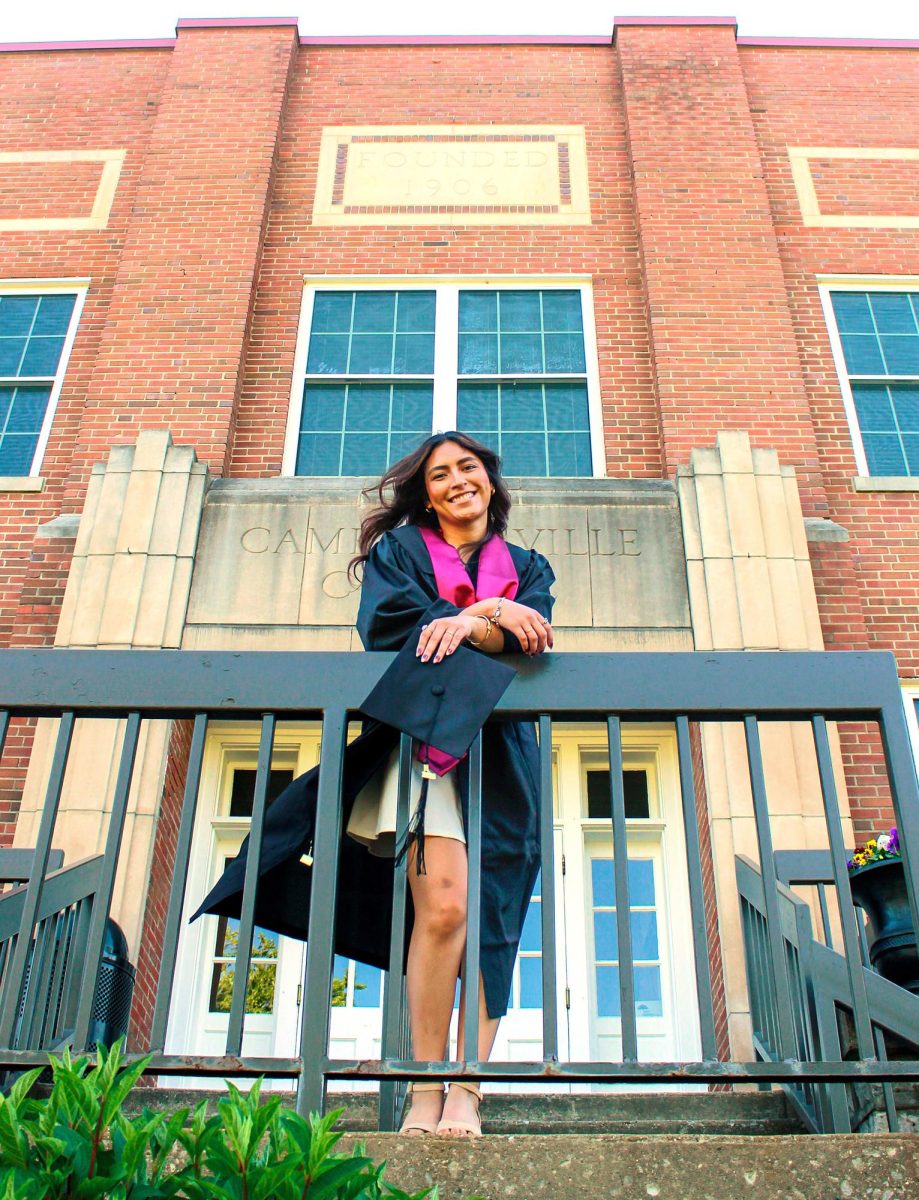
Another popular form of photography is portrait photography, which CU senior Alexis Fridy specializes in.
“I do a lot of couples, I do some seniors and I’m getting into weddings. Weddings are my end goal with couples,” said Fridy.
Fridy said it takes time to become a good photographer.
“Definitely have a lot of patience,” Fridy said. “There’s a lot that goes into it, and there’s things that can’t be rushed. I know I was adamant early on, going fast. But the faster you go, the more you miss out in a sense.”
Fridy said having the most expensive equipment isn’t necessary to be a good photographer.
“You don’t have to have the best equipment to get great photos,” said Fridy. “I was told by a lot of people that you had to have the most expensive camera, the best lens and this and that. That’s wrong.”
Fridy hopes photography takes her back closer to her home in Robards, Kentucky.
“I kind of want to be busy to the point that I’m like, ‘Okay, I need a little break,’” Fridy said. “At that point, that’s how you know you’ve made it.”