










The best thing that ever happened to my education was the decision to attend a community college first.
Before Campbellsville University, I had a decision to make my junior year of high school. I could become a full-time college student at the age of 15 and graduate with a degree before all my peers. Despite being scared by all the horror stories I had heard about college life; I talked to my high school adviser and eventually got accepted into the program.
Starting classes as a high school junior was overwhelming. Going to college in the morning and retuning to high school by the afternoon felt like I was living a double life. My college classes were so different from what I was used to, the students around me were older than me, and after one class I could leave instead of staying in a building eight hours out of the day. I even had to buy my own books. Everything was different. Everything was new.
I remember being overwhelmed with it all. How was I going to do this? What if I fail? Eventually, after multiple meltdowns, I got the hang of it all.
And what I gained in the process – time management, communication skills and critical thinking – turned out to be more valuable than I ever anticipated.

There is a quiet stigma attached to community college that most people will not say out loud but carry loudly with their assumptions. The raised eyebrows when you tell someone where you go to school. The weird relative who asks when you are transferring to somewhere “real.” Sometimes, I feel like society treats community college as a placeholder, something not to be taken seriously.
That assumption is wrong, and the people who hold it have almost certainly never sat in one of those classrooms, heard the stories of those people or learned something from those professors.
Community college is a real college. The stress it real. The deadlines are real. The academic pressure is real. The cost of a failed exam is real.
What community college lacks is a manicured lawn, a campus celebrity and a $50,000 price tag that some people mistake for quality. Get rid of those and what you have is the actual substance of higher education, instruction, challenge and growth.
Time management is not a skill universities teach, they expect you to arrive with it.
I like to always tell my mom, “If I didn’t go to community college, I feel like I’d be thrown to the wolves.”
Community college, particularly when you are balancing it alongside high school and a full-time swimming career, forces you to develop time management out of necessity. You either organize your time, or you fall behind. I decided to organize my time.
Communication was harder for me. Walking into a classroom where I was the youngest person by a decade, sometimes two, meant learning how to hold my own in a conversation with adults who had careers, families and a life experience I didn’t have yet. A lot of the times when I would talk to them, I felt like my life was just getting started after all the stories they would tell me. However, that discomfort was useful. It taught me how to speak up, how to listen and how to engage with people whose perspectives were different from my own.
Critical thinking came from being in lectures where the answers were not handed to me. The smaller class sizes meant there was no hiding in the back row. I couldn’t see over people’s heads in the back anyway. Professors asked questions and expected students to work through them, not just regurgitate them. I learned that being wrong in a discussion was not failure, it was actually just a part of the process.

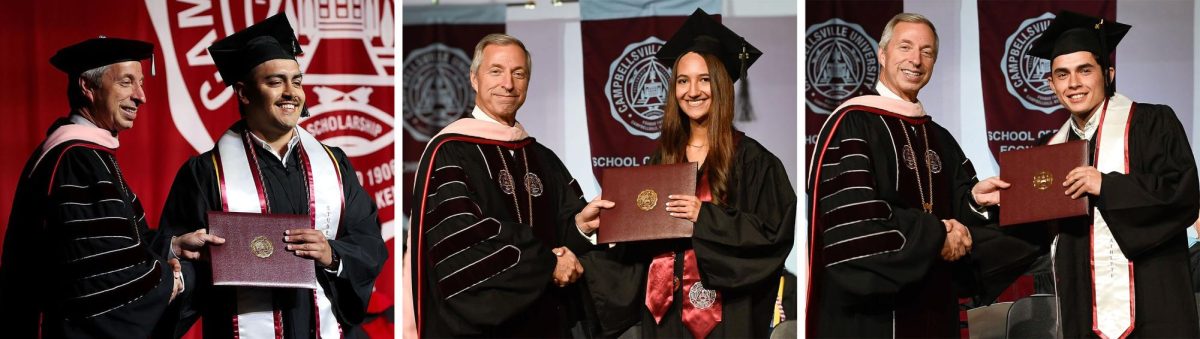
What I did not know then was how fundamental those three skills would be when I transferred to Campbellsville University after my senior year of high school.
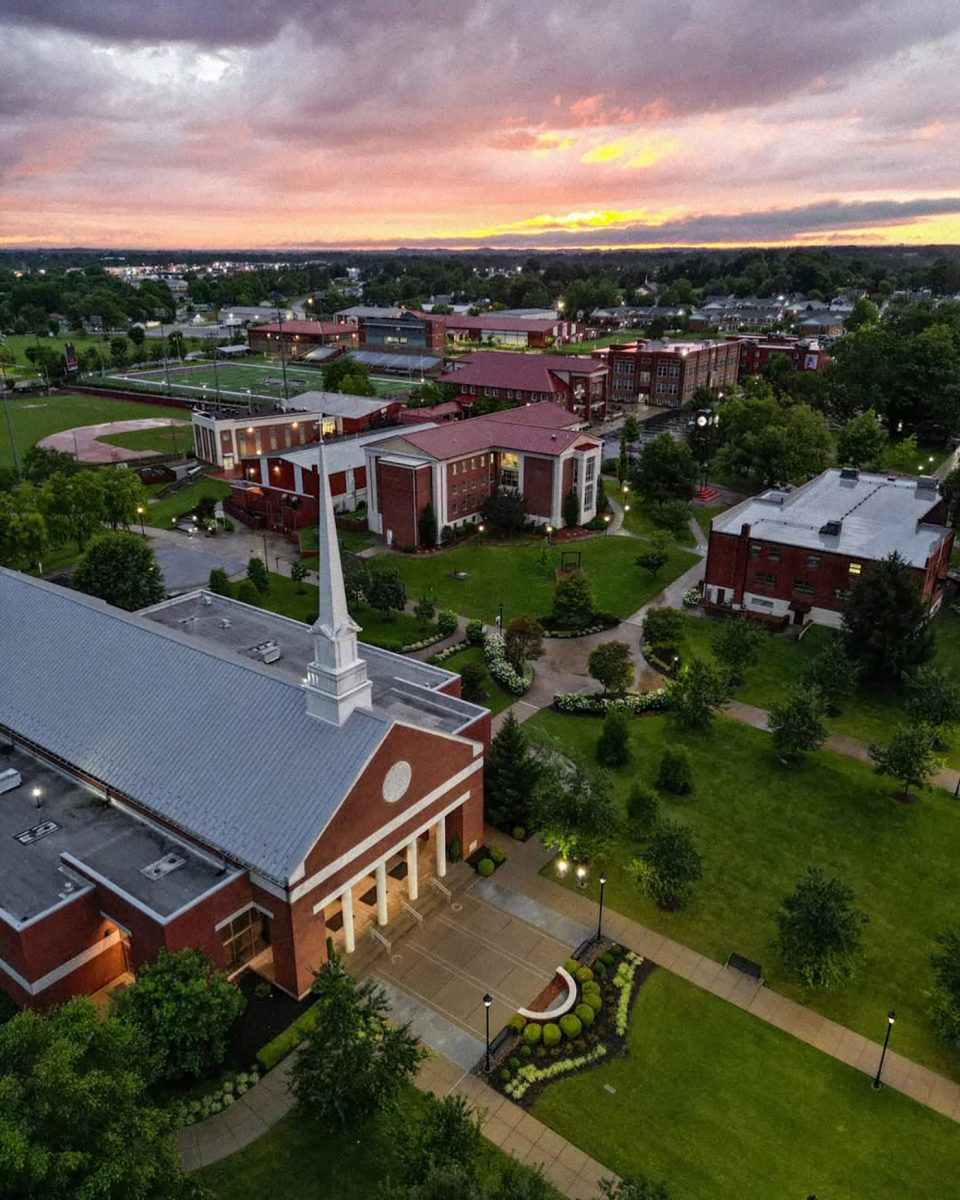
CU brought new challenges – farther from home, larger campus, higher stakes. But the foundation I had built meant I was not starting from zero. The note-taking habits, the ability to manage deadlines, the comfort with asking a professor for help, all of it transferred with me.
I had already gone through it. I had already come out on the other side.
Community college is not a waiting room until you get to a bigger university. It is not a lesser path. For many students, including a 15-year-old who was scared but said yes anyway, it is the path that makes everything else possible.
